
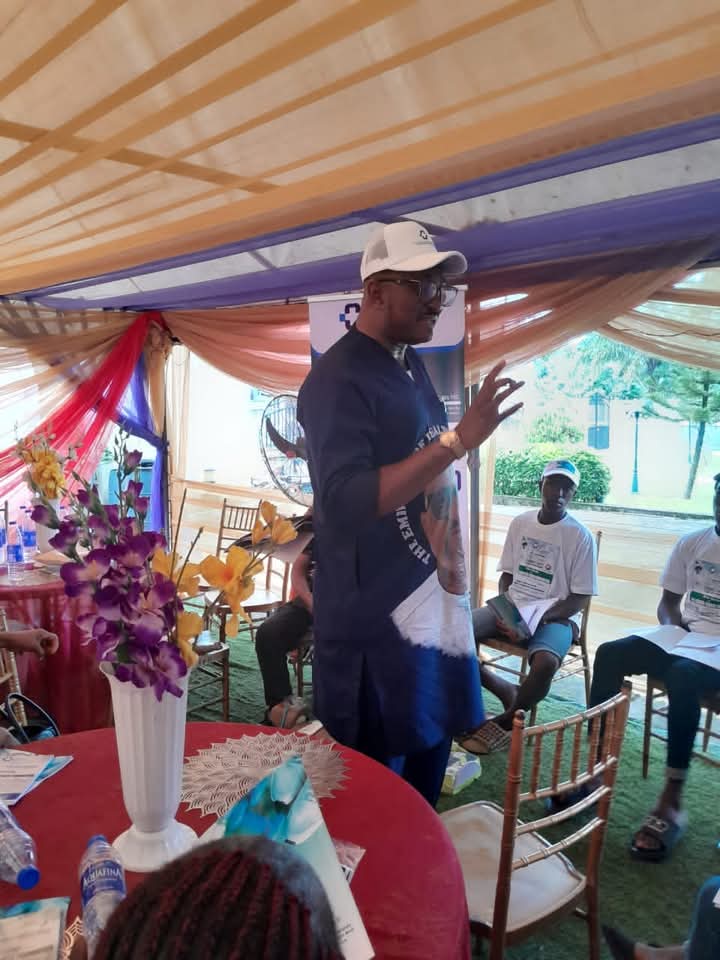
The Embassy at the Armed Forces Veterans Stakeholders Forum
The Embassy of Health and Wellness took part in the Armed Forces of Nigeria Veterans Stakeholders Forum, themed "The Nigerian Armed Forces Veterans in the Next Decade."
10 June 2024 · By Dr. Chiemelie Eze
Burns are among the most common household and workplace injuries — and the first minutes after a burn matter greatly. Knowing a few simple steps can reduce harm, ease pain, and support recovery. This guide summarises the Embassy's health education resource on burn care, taught in our school and community training programs.
Run cool — not cold — water over the burn for at least 10 minutes. This limits tissue damage and eases pain. Avoid ice, which can worsen the injury.
Gently remove jewellery or clothing around the burn area before swelling begins. Do not remove anything stuck to the burn itself.
Use a clean, non-stick dressing or cloth to protect the area. Avoid fluffy materials that can stick to the wound.
Blisters protect the skin underneath while it heals. Popping them invites infection.
For severe burns — large areas, burns on the face, hands, or joints, or burns affecting breathing — call emergency services immediately.
Note
This article is general health education, not a substitute for professional medical advice. Serious burns always require professional medical attention — when in doubt, seek care immediately.
Related publication
Steps in Taking Care of Patients with Burns
Keep reading
The Embassy of Health and Wellness took part in the Armed Forces of Nigeria Veterans Stakeholders Forum, themed "The Nigerian Armed Forces Veterans in the Next Decade."
The Embassy of Health and Wellness held an engagement with Miss Tourism Nigeria, extending its wellness advocacy into tourism and cultural circles.
The Embassy of Health and Wellness has developed the Health Intelligence Education (HIE) National Curriculum Integration Programme in collaboration with the Nigerian Educational Research and Development Council (NERDC), themed "Transforming Health Knowledge into Lifelong Competence."
Governments, schools, institutions, and partners — we welcome collaboration that advances health and wellness.